

Selective Mutism is an anxiety-based communication difficulty where a child consistently struggles to speak in certain situations or with specific people, despite being able to speak comfortably in other settings. It is not caused by a lack of ability or a language delay but is rooted in a heightened sense of fear or anxiety about speaking.
This condition is sometimes referred to as Situational Mutism because the difficulty is tied to particular environments or interactions. It most commonly begins in early childhood and can persist if not addressed.
With early intervention the prognosis for recovery is good, but in some cases it may persist and last right through a child’s school life and sometimes even into adulthood. It is important to understand that those with SM want to speak but find themselves physically unable to do so due to their anxiety.
You can find out more about our specialist assessment pathway here: Selective Mutism Assessment Service
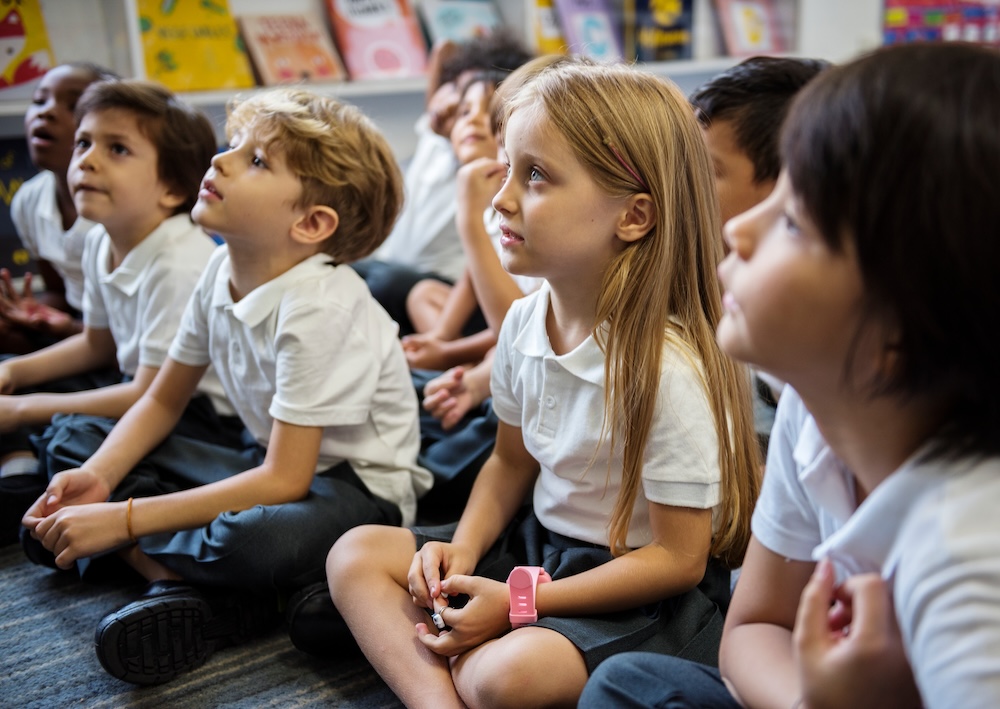
Speech and language therapy can play a key role in helping children with Selective Mutism develop confidence and skills to communicate across settings. At our central Norwich clinic, we provide compassionate, individualised support, focusing on:
Understanding Anxiety: Collaborating with families to recognise the impact of anxiety on communication.
Gradual Exposure: Using step-by-step techniques to reduce fear of speaking, starting with non-verbal communication and progressing to spoken words.
Confidence Building: Encouraging small successes to foster a positive relationship with communication.
Collaboration with Others: Working with teachers, caregivers, and other professionals to create supportive environments for speaking.
Practical Strategies: Providing tools like visual aids, communication cards, or structured activities to ease anxiety.
Parent/Carer Coaching: Guiding families in techniques to support progress at home and in familiar settings.
Our team is experienced in supporting children with Selective Mutism, combining evidence-based approaches with a gentle, child-led philosophy. We work closely with families to ensure therapy is practical, encouraging, and effective in helping children unlock their voices.
We understand that children and young people spend as much time in education as they do at home, so it is important to us that nursery/school staff and parents/carers all know how best to support the child. This means that we provide sessions both in clinic and in education settings, as appropriate in each individual case, supporting all those around the child.
If you’d like to learn more about how we can help your child overcome the challenges of Selective Mutism, click here to read about our Selective Mutism Specialist Assessment Service.
Useful Information:
Selective Mutism (sometimes called Situational Mutism) is an anxiety based condition where a person is unable to speak in certain situations, such as school, despite being able to speak comfortably in others, like at home.
There isn’t a single cause, but contributing factors can include:
It is not caused by stubbornness or defiance.
Common signs include not speaking in specific settings, relying on gestures or whispering, freezing when expected to talk, and appearing anxious or withdrawn in social situations.
Selective Mutism usually begins in early childhood, often becoming noticeable when a child starts nursery or school.
No. Shy children can speak even if they are nervous, whereas children with Selective Mutism feel unable to speak due to anxiety.
Yes. While it usually starts in childhood, Selective Mutism can persist into adolescence or adulthood if not supported.
Diagnosis involves assessment by professionals who look at speech patterns, anxiety levels, and whether difficulties occur only in certain settings.
Treatment focuses on reducing anxiety, building confidence, and gradually increasing speaking in situations that feel safe. Collaborating with home and educational placements to reduce pressure and build confidence using positive reinforcement and removing any punishment for not speaking, with support from speech and language therapists or psychologists.
No. Selective Mutism is an anxiety disorder, and pressure makes the anxiety stronger, not weaker. When someone with selective mutism is pushed to talk, the “fight/flight/freeze” response activates, making speech feel physically impossible.
Supportive, low pressure approaches help children feel safe and gradually build confidence to speak.
Yes. With early and appropriate support, many children make significant progress and become more confident communicators. Even those who have long standing Selective Mutism can make significant improvements with appropriate therapy intervention.
Selective Mutism is rooted in anxiety, not ability, when anxiety decreases and confidence increases, speaking becomes easier and more natural.